How to Identify High Quality Beauty Products
Table of Contents
- What Makes a Beauty Product High Quality
- How to Read Skincare Ingredient Labels
- Product Safety, Testing, and Certifications
- Beauty Product Authenticity Check
- How to Tell If Skincare Is Expired
- How to Compare Skincare Products
- Your Quality Assessment Checklist
- Frequently Asked Questions
Last Updated: October 19, 2026
What Makes a Beauty Product High Quality
High-quality beauty products are distinguished by transparent ingredient formulations, rigorous safety testing, authentic sourcing, and measurable performance claims backed by evidence.
Quality rests on three areas: what's inside the product, how it's been tested, and whether it delivers on its promises.
Price alone doesn't signal quality. A premium price tag might reflect brand positioning, packaging, or marketing spend rather than efficacy, while some effective products are priced modestly because they skip expensive advertising.
How to Read Skincare Ingredient Labels
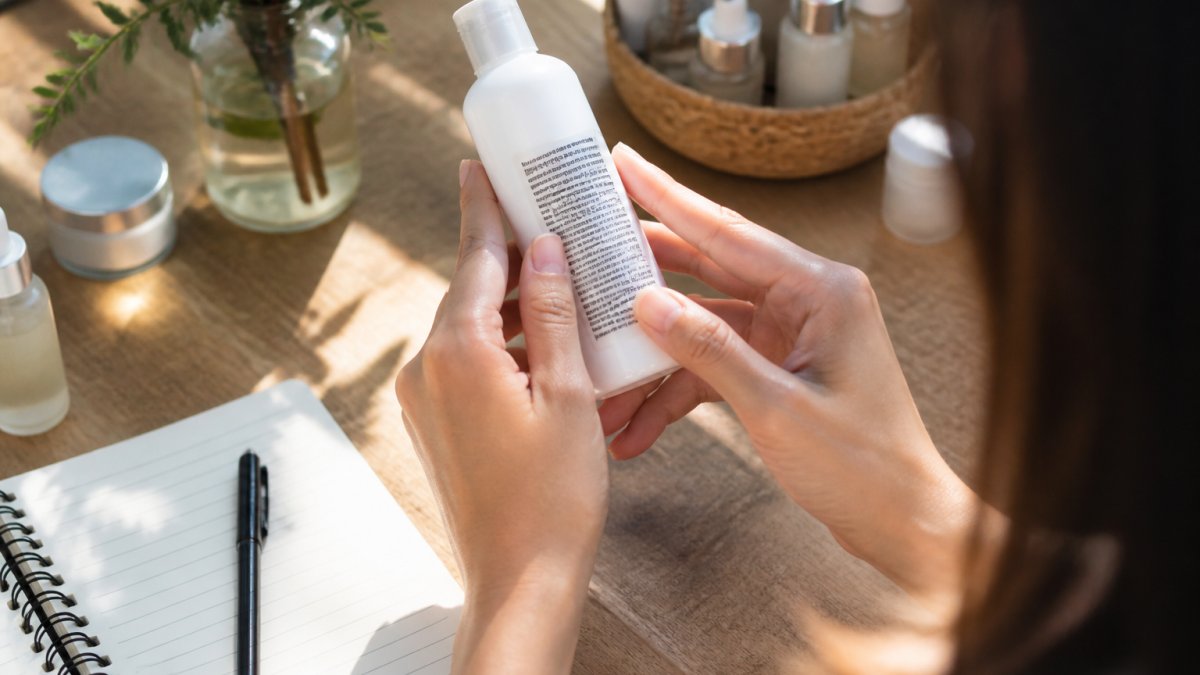
Ingredient labels are your first line of defense against misleading marketing. Skincare products must list ingredients in descending order by weight, highest-concentration first, revealing the product's true composition.
The first five ingredients typically account for 80 percent of the formula. If a brand claims its serum is "packed with hyaluronic acid" but hyaluronic acid appears eighth on the list, the concentration is likely too low to deliver noticeable results.
Understanding INCI Nomenclature
INCI (International Nomenclature of Cosmetic Ingredients) is the standardized naming system required by the FDA for cosmetic ingredient labeling in the United States.
"Butylene Glycol" on an INCI label is always the same ingredient, regardless of brand.
Some ingredients have parenthetical additions like "Retinol (and) Retinyl Palmitate," indicating a complex or blend. This matters because the ingredient isn't pure, which affects concentration and efficacy.
Identifying Active Ingredients vs. Fillers
Active ingredients do the actual work, reducing inflammation, brightening skin, hydrating cells, or stimulating collagen. Fillers and carriers deliver actives and provide texture and stability.
Common actives include niacinamide (reduces sebum, strengthens barrier), hyaluronic acid (draws moisture), retinol and retinoids (stimulate cell turnover), vitamin C (antioxidant, brightening), and peptides (support collagen).
Fillers and carriers, water, glycerin, silicones, oils, comprise the bulk of most formulas. They're not inferior; they enable spreading, absorption, and pleasant texture.
Product Safety, Testing, and Certifications
Reputable beauty brands conduct stability testing, microbiological testing for contamination, and safety assessments before launch. These tests verify that preservative systems work, products don't harbor bacteria or mold, and formulas remain stable over time.
The FDA regulates cosmetics under the Federal Food, Drug, and Cosmetic Act, but doesn't pre-approve cosmetics before sale. This places the burden on brands to ensure safety, and on consumers to recognize which brands take that responsibility seriously.
Third-Party Testing and Safety Standards
Third-party testing by independent laboratories provides credibility internal testing cannot match.
Look for certifications from recognized bodies. The Cosmetics Ingredient Review (CIR) panel evaluates ingredient safety and publishes findings. Products with CIR-reviewed ingredients have undergone expert scrutiny.
Some brands pursue additional certifications like cruelty-free status through PETA or Leaping Bunny, or clean beauty certifications that verify absence of certain ingredients.
Recognizing Regulatory Compliance
Compliant products include required information: ingredient list in INCI format, net weight, manufacturer name and address, and directions for use. In the United States, the FDA's cosmetic labeling requirements mandate this information be in English and legible.
Check the manufacturer's address. Legitimate brands list a real facility location; a P.O. box alone or no manufacturing information is a red flag.
Imported products must comply with FDA standards upon entry. Authentic imports have compliant labeling; counterfeit or gray-market products often lack proper labeling or contain ingredients banned in the United States.
Beauty Product Authenticity Check
Counterfeit beauty products are a growing problem, particularly for luxury and prestige brands. Counterfeits may contain harmful ingredients, incorrect active concentrations, or contaminated formulations.
When buying from third-party sellers, scrutinize packaging. Authentic products have consistent, crisp printing, fonts that match across batches, and complete ingredient lists.
Examine the product itself. Authentic formulas have consistent texture and color; a serum that looks cloudy when it should be clear, or feels grainy, is suspect.
Verify the batch code.
How to Tell If Skincare Is Expired
Expired skincare loses efficacy and can harbor bacteria or mold. Unlike food, cosmetics don't always carry explicit expiration dates, but they include manufacturing information that tells you product age.
Reading Manufacturing and Expiration Dates
The PAO (Period After Opening) symbol appears as a small jar icon with a number and "M", for example, "12M" means the product is safe for twelve months after opening.
Manufacturing dates are printed as batch codes, alphanumeric sequences that vary by brand but typically encode the production date.
Calculate product age by subtracting the manufacturing date from today. A product manufactured eighteen months ago is approaching obsolescence if opened, even if the PAO suggests otherwise.
Recognizing Signs of Product Degradation
Visual and olfactory cues reveal degraded products. Separation, where oils float on top of a water-based formula, indicates a broken emulsion.
Smell is a reliable indicator. If a product develops an off odor, sour, rancid, or chemically wrong, discard it.
Temperature fluctuations and light exposure accelerate degradation. Products stored in hot bathrooms or near windows degrade faster than those kept cool and dark.
How to Compare Skincare Products
Comparing products requires looking beyond marketing claims to actual formulation and fit. Two products may target the same concern but use entirely different approaches, ingredients, and price points. Systematic comparison prevents impulse purchases and builds a coherent routine.
Matching Products to Your Skin Type and Needs
Start by identifying your skin type: oily, dry, combination, sensitive, or normal. Oily skin tolerates lighter textures and water-based serums; dry skin needs richer oils or occlusive moisturizers; combination skin requires balancing hydration without excess oil in the T-zone.
Next, define your primary concern: acne, sensitivity, aging, hyperpigmentation, or dehydration. A product designed for acne-prone skin may irritate sensitive skin.
Research the active ingredients in competing products. A 5 percent niacinamide serum delivers stronger results than a 2 percent one, assuming both use stable formulations.
Evaluating Price Against Performance
Price correlates imperfectly with quality. Some premium brands charge for packaging and marketing rather than superior formulations, while some affordable brands deliver excellent formulas.
Calculate cost per use. A $60 serum used twice daily lasts about one month, equaling $2 per application; a $30 moisturizer used once daily lasts two months, equaling $0.50 per application.
Look for independent reviews. Platforms aggregating verified purchases provide authentic perspectives. Be skeptical of brand-website reviews or influencers with affiliate links, which have financial incentive to be positive.
| Comparison Factor | What to Look For | Why It Matters |
|---|---|---|
| Active Ingredient | Top 5 on ingredient list, 2-10% concentration | Determines efficacy and results timeline |
| Third-Party Testing | CIR-reviewed, dermatologist-tested, stability data | Ensures safety and formula stability |
| Packaging | Opaque, airless, or dark glass | Protects formula from degradation |
| Manufacturing Info | Batch code, clear PAO, manufacturing date | Verifies authenticity and freshness |
| Price Per Use | Total cost divided by application frequency | Provides realistic budget perspective |
| User Reviews | Verified purchases, specific feedback, realistic expectations | Reveals real-world performance |
Your Quality Assessment Checklist
Use this checklist when evaluating any beauty product to avoid overlooking critical details.
- Ingredient list: First five ingredients identified, actives clearly present, no suspicious fillers or irritants for your skin type
- INCI naming: All ingredients listed in INCI format, no vague proprietary blends obscuring composition
- Active concentration: Target active ingredient appears in top five, estimated concentration aligns with claimed benefits
Identifying high-quality beauty products is a skill that pays dividends every time you shop. The products you use daily affect your skin's health and appearance, so investing time in evaluation is worthwhile. At CanvasSkinLab, we understand that quality matters, which is why our curated selection focuses on products that deliver real results through transparent formulations and rigorous testing standards.
Frequently Asked Questions
How can you tell if a beauty product is high quality?
High-quality beauty products combine several markers: a transparent ingredient list with active ingredients clearly listed, third-party testing or certifications from recognized bodies, proper packaging that protects the formula, and clear expiration dating. Check for brands that disclose their sourcing and formulation process. Read consumer reviews on multiple platforms to see real results, and verify authenticity through official retailers. Products from established brands often undergo rigorous safety testing and quality control, though premium pricing doesn't always guarantee quality, focus on the product's actual formulation and testing history instead.
What should you look for on a beauty product label?
Look for the ingredient list in INCI order (highest concentration first), the manufacturing date or batch code, expiration date or period-after-opening symbol, net weight in ounces or milliliters, manufacturer name and address, and any certifications or third-party testing claims. Check for allergen warnings if you have sensitivities. Avoid products with vague claims like 'natural' or 'dermatologist-tested' without supporting evidence. A clear, legible label indicates professional manufacturing. Look for preservative systems that match the product type, and verify that active ingredients are listed in meaningful concentrations rather than appearing near the end of the ingredient list.
How can you verify that a beauty product is authentic?
Purchase from authorized retailers, including the brand's official website or established beauty retailers. Check packaging for quality, authentic products have crisp printing, secure seals, and consistent labeling. Compare the product against official brand images online; counterfeit products often have spelling errors, blurry logos, or inconsistent colors. Verify batch codes through the manufacturer's website if they offer this service. Be cautious of heavily discounted products from unfamiliar sellers, especially on third-party marketplaces. Authentic products arrive in proper packaging with all required labeling, and reputable sellers provide clear return policies if authenticity is questioned.
How do I know when a beauty product was made or has expired?
Look for the manufacturing date or batch code, usually printed on the back or bottom of the container. Some brands use a date stamp; others use a batch number you can decode on their website. The Period After Opening (PAO) symbol shows how many months the product remains safe after opening, typically 6, 12, or 24 months depending on the formula. Check for visible signs of expiration: separation, discoloration, unusual odor, or texture changes. Products stored in warm, humid bathrooms expire faster than those kept in cool, dark places. Always note the purchase date, and replace products within their recommended timeframe to ensure safety and effectiveness.
What does third-party testing mean for beauty products?
Third-party testing means an independent laboratory, not the brand itself, evaluates the product for safety, purity, and ingredient accuracy. These tests verify that the product contains what the label claims, check for harmful contaminants or microorganisms, and ensure compliance with safety standards set by the FDA and other regulatory bodies. Third-party testing builds consumer trust because it removes bias from the evaluation process. Look for brands that openly share testing results or display certifications prominently, this transparency signals commitment to quality and consumer safety.
How do you check whether a beauty product's ingredients are safe for you?
Start by identifying your known allergens and sensitivities. Cross-reference the ingredient list against known irritants for your skin type, for example, those with sensitive skin should avoid common irritants like fragrance or certain essential oils. Use ingredient databases or apps to research individual components if unfamiliar. Check for allergen warnings on the label, particularly for common triggers like tree nuts, soy, or shellfish. If you have severe allergies, contact the manufacturer directly to confirm manufacturing practices and cross-contamination risks. Perform a patch test on a small area of skin before full application. Dermatologist recommendations or 'hypoallergenic' labeling can guide selection, though these terms aren't strictly regulated, ingredient transparency remains your best tool.
How do you compare skincare products with similar ingredients?
Compare products side-by-side by listing their ingredients in order, as INCI order reflects concentration. Identify the key active ingredients and note their position in each list, earlier placement means higher concentration. Check the formulation base: water-based, oil-based, or emulsion formulas serve different skin types. Evaluate preservative systems and stabilizers, which affect product shelf life and stability. Review third-party testing results if available to confirm ingredient concentrations match label claims. Consider texture, scent, and packaging, these affect usability and product longevity. Read consumer reviews specifically mentioning your skin type and concerns. Price differences often reflect brand positioning rather than quality; a less expensive product with stronger active ingredients may outperform a pricier alternative.
What is the ISO standard for cosmetics?
ISO (International Organization for Standardization) sets global manufacturing and safety standards for cosmetics. ISO 22716 covers Good Manufacturing Practice (GMP) for cosmetics, ensuring products are made in clean, controlled facilities with proper quality control. This standard addresses facility design, equipment maintenance, personnel training, and documentation practices. Products manufactured under ISO 22716 are tested for microbiological contamination, stability, and safety. Many premium beauty brands follow ISO standards to demonstrate commitment to quality and consumer safety. Look for ISO 22716 certification on product packaging or the brand's website. Compliance with these standards doesn't guarantee a product will work for you personally, but it confirms the manufacturer follows rigorous safety and quality protocols.