Estée Lauder Double Wear Review for Real Life
A foundation can look beautiful for the first hour and still fail the test that matters most: the meeting that runs late, the humid commute, the dinner reservation after a full workday. This Estée Lauder Double Wear review looks at why this longtime favorite remains a makeup-bag staple for people who want polished, dependable coverage without frequent touch-ups.
Double Wear Stay-in-Place Foundation has earned its reputation through performance, not flash. It is designed for a long-wearing, matte finish with medium-to-full buildable coverage. For many, it creates the kind of even, confident-looking complexion that makes the rest of a routine feel optional. But its strengths also make technique, skincare prep, and shade selection especially important.
Estée Lauder Double Wear Review: The Finish and Coverage
The finish is best described as natural matte. It is not powdery when applied thoughtfully, but it does not offer the dewy, light-reflecting glow of a skin tint or radiant foundation. Instead, it helps blur the appearance of uneven tone, lingering blemish marks, redness, and shine while keeping the complexion looking refined.
Coverage starts at a solid medium layer and can be built toward full coverage in the areas that need more attention. A small amount goes a long way, which is worth remembering before adding a second layer. Applying too much at once can make any long-wear formula look heavier than intended, especially around the nose, mouth, and under-eye area.
The formula sets relatively quickly. That is a major advantage for long days because it resists shifting, but it also means there is less time to blend. Work in small sections of the face, rather than dotting product everywhere and blending afterward. A damp sponge gives a slightly more skin-like result, while a dense brush offers fuller coverage with fewer passes. Either method can work beautifully - it comes down to the finish you enjoy and the coverage you want.
How Double Wear Holds Up Through a Busy Day
This is where Double Wear stands apart. It is made for people who do not want to think about their foundation at 2 p.m. Once it has set, it tends to wear evenly and helps keep excess oil in check. It can be a particularly smart choice for long office days, special events, warm-weather plans, and anyone who prefers a polished base that stays put.
Its wear time is especially impressive on combination and oily skin types. Those with oilier T-zones may find they need less powder than usual, if any beyond the center of the face. The finish also photographs well because it brings a smooth, even look to the skin without an obvious reflective sheen.
That said, long wear is not the same as invisible wear. On dry or dehydrated skin, Double Wear can catch on flaky patches or emphasize texture if the skin has not been moisturized well. It is less forgiving than a sheer, emollient foundation. If your priority is a fresh-from-skincare glow, you may prefer to use it selectively, concentrating coverage where you want it and keeping the perimeter of the face lighter.
Who Will Love It Most?
Double Wear is a strong match for someone who wants coverage with confidence. If you regularly conceal redness, post-breakout marks, uneven tone, or shine, it can streamline your routine. It is also well suited to makeup lovers who prefer a classic, perfected complexion over the barely-there effect of a tint.
Combination, oily, and normal skin types often get the most effortless result. Dry skin can wear it too, but preparation changes everything. Begin with gentle exfoliation only when your skin needs it, follow with a hydrating moisturizer, and allow skincare to settle before applying foundation. A nourishing primer can also help create a more comfortable surface, particularly around the cheeks and mouth.
If you have very dry, textured skin or love a luminous finish, this may not be your everyday first choice. That does not make it the wrong foundation. It may simply be your go-to for occasions when you want more coverage and staying power, while a hydrating formula serves you better on relaxed, low-makeup days. Your Beauty, Your Way means choosing products that fit the moment, not forcing one finish to do everything.
Shade Matching Deserves a Little Patience
One reason Double Wear has such devoted fans is its broad shade range, including options with cool, neutral, and warm undertones. Still, shade matching foundation online requires more than choosing the depth that looks closest on a screen.
Start by identifying your undertone. Cool undertones often lean rosy or pink, warm undertones can appear golden or peachy, and neutral undertones sit more evenly between the two. Then compare your match to the skin on your jawline and neck rather than the center of your face, which may have more natural redness or discoloration. If you are between shades, consider whether your complexion changes with the seasons and whether you prefer to warm up your foundation with bronzer or brighten it with concealer.
Because the formula provides meaningful coverage, a close match matters. Let a small test area settle before making a final call, since the foundation can look a little different after it sets. When in doubt, a neutral undertone is often a helpful starting point for a balanced, natural-looking result.
The Best Way to Apply Double Wear
Think of this foundation as a complexion product that rewards a measured approach. Begin with clean, moisturized skin. If shine control is your main goal, use a lightweight primer in the T-zone. If your cheeks feel tight or dry, prioritize hydration there instead of applying the same primer everywhere.
Dispense a small amount onto a palette or the back of your hand, then apply from the center of the face outward. Press and blend rather than aggressively sweeping product across the skin. Add another thin layer only where coverage is still needed. This keeps the overall finish flexible-looking and avoids a mask-like result.
You may not need much setting powder. For normal or combination skin, a light dusting around the nose, forehead, and chin is usually enough. For dry skin, skip powder on the cheeks and use a hydrating mist after makeup is complete. Cream blush and bronzer can restore dimension and softness to a matte base, while a subtle highlighter adds light exactly where you want it.
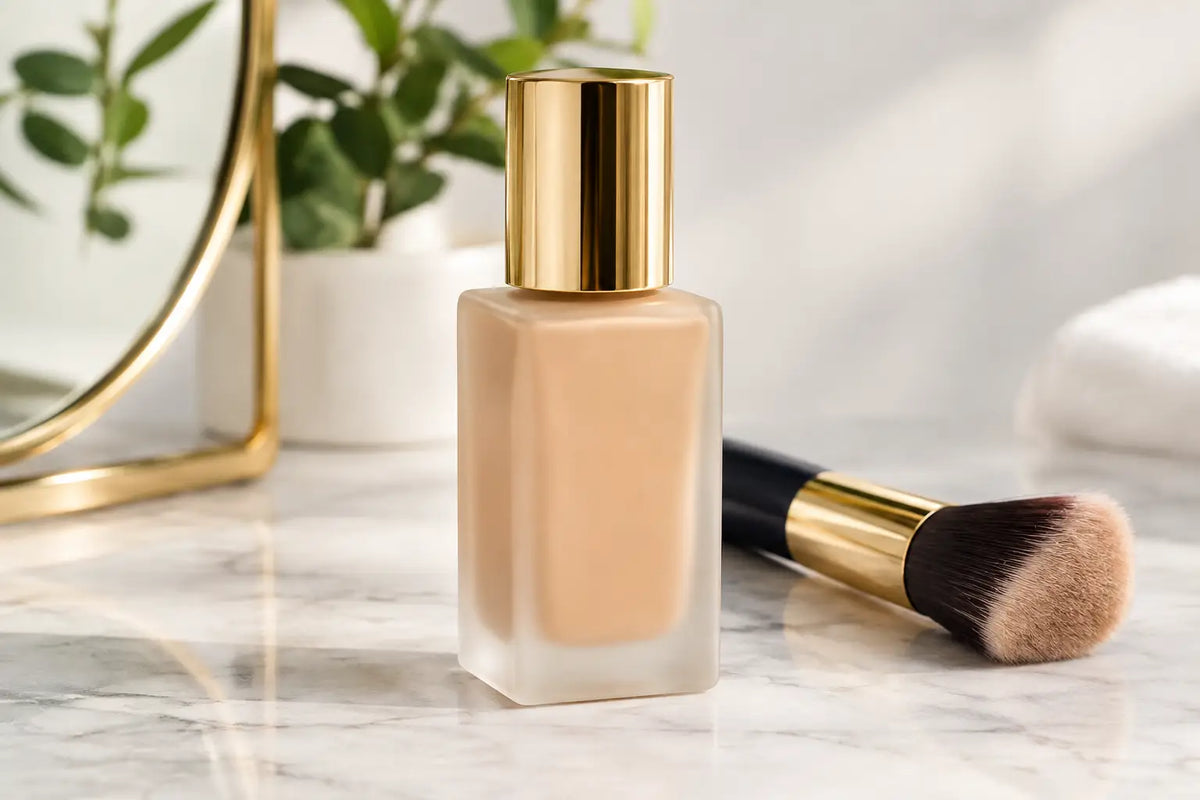
One practical note: depending on the packaging you purchase, a pump may be sold separately. A pump makes it easier to control the amount you use and can help keep application neater, especially when this foundation is part of a quick weekday routine.
Is It Worth Adding to Your Routine?
For the right person, absolutely. Estée Lauder Double Wear is not trying to imitate bare skin or deliver a glossy finish. Its purpose is to offer reliable coverage, shine control, and a smooth matte complexion that can keep pace with real life. That clarity is part of why it has remained a beauty classic.
The best results come from treating it as a customizable foundation rather than an all-or-nothing full-coverage step. Use a light layer for a polished everyday look, build it where you want extra confidence, and pair it with skincare that supports your skin’s needs. Whether you are getting ready for a packed calendar or simply want to feel a little more put together, a foundation that lets your natural confidence come forward is always a worthwhile ritual.