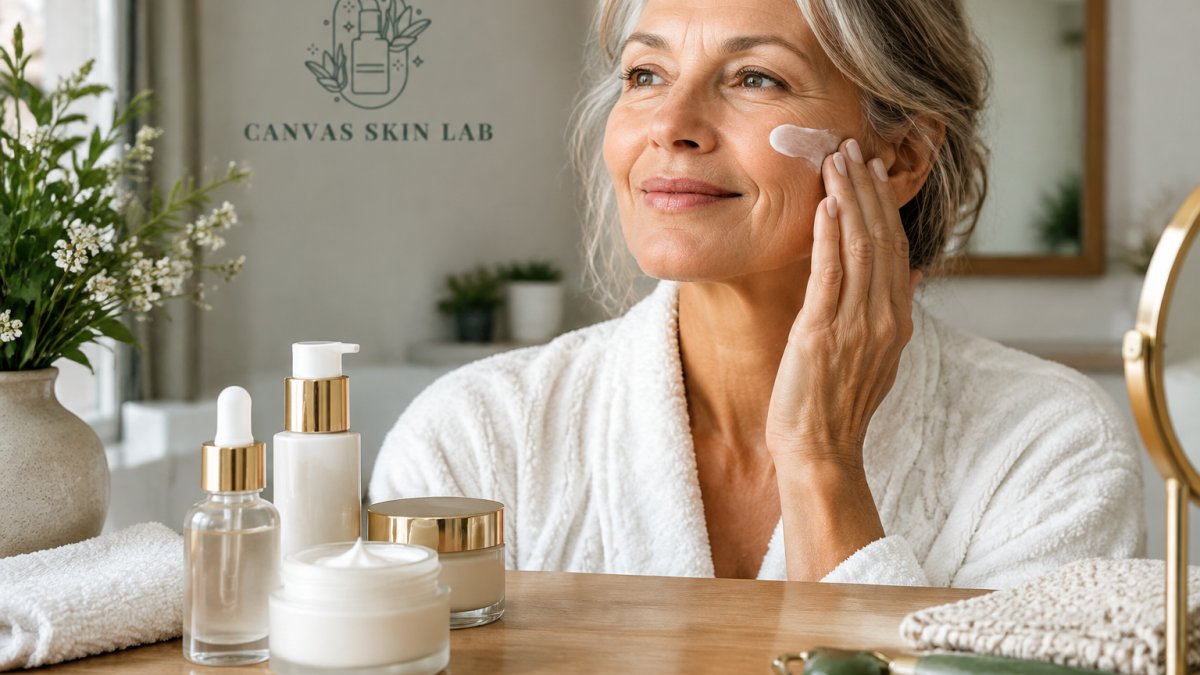
A Skincare Routine That Fits Your Real Life
Your skincare routine does not need a 12-step shelf, a perfect bathroom counter, or an hour you do not have. It needs to feel good enough to repeat. A few well-chosen products, used consistently, can turn everyday care into a moment that helps you feel refreshed, comfortable, and confident in your own skin.
The best routine is personal. Your skin may be dry in winter, shinier in summer, sensitive after travel, or suddenly different during a busy season. Rather than chasing every new launch, start with what your skin needs now and leave room for the rituals that make beauty feel like yours.
Start Your Skincare Routine With the Essentials
A reliable routine has three jobs: cleanse away what does not belong on your skin, support your skin barrier with moisture, and protect skin from daily sun exposure. Everything else can be added with intention.
In the morning, a gentle cleanser is a helpful reset, especially if you wake up oily or use richer products at night. If your skin is very dry or easily irritated, a rinse with lukewarm water may be enough. Harsh scrubbing and hot water can leave skin feeling tight, which is not the same thing as clean.
Next comes moisturizer. Even oily skin can benefit from hydration, though the texture matters. Lightweight gels and lotions often feel comfortable on combination or oily skin, while creams can offer more cushion for dry skin. Look for formulas with familiar barrier-supporting ingredients such as ceramides, glycerin, hyaluronic acid, and squalane.
Finish with broad-spectrum sunscreen, ideally SPF 30 or higher. This is the daily step that supports the work of the rest of your routine, whether your goal is a more even-looking tone, smoother texture, or simply skin that feels cared for. Apply it as the last step of your morning skincare routine and reapply when you are spending extended time outdoors.
At night, cleanse to remove sunscreen, makeup, sweat, and the day. If you wear long-lasting makeup or water-resistant sunscreen, an oil cleanser, balm, or micellar water before your regular cleanser can make the process gentler than trying to scrub everything away in one pass. Follow with your treatment step, if you use one, then moisturizer.
Choose Products by Skin Needs, Not Labels
Skin type is a useful starting point, not a permanent identity. You may identify as oily yet experience dry cheeks, or think you have sensitive skin when your current products are simply too strong. Notice how your skin feels a few hours after cleansing and how it responds over several weeks, not just after one good or bad day.
For dry or tight-feeling skin, prioritize creamy cleansers and nourishing moisturizers. Ceramides, glycerin, and gentle occlusive ingredients can help reduce the feeling of moisture loss. A facial oil can be a beautiful final layer at night, but it does not replace water-based hydration or moisturizer.
For oily or combination skin, choose light, non-greasy layers that you will actually enjoy using. Salicylic acid can be useful for clogged pores and breakouts because it is oil-soluble, but more is not always better. Start slowly and avoid stacking it with several other strong treatments on the same night.
For skin that looks dull or uneven, vitamin C is a popular morning option, while retinoids are often used at night to support smoother-looking texture and more even-looking skin over time. Both require patience. A lower-strength formula used consistently is often a better experience than an intense product that leaves your skin stressed.
For sensitive or reactive skin, keep the formula list simple. Fragrance-free products, gentle cleansing, and barrier-focused moisturizer can create a comfortable foundation. Introduce only one new product at a time, and patch test it on a small area first. If persistent stinging, itching, swelling, or a rash appears, stop using the product and speak with a dermatologist.
Add Treatments Slowly and Thoughtfully
The excitement of a new serum is real, but skin usually responds best to a measured approach. Introduce a single active ingredient, use it two or three times a week at first, and give your skin time to adjust. This makes it easier to tell what is helping and what is causing irritation.
A simple way to think about common treatment categories is to give each one a purpose. Vitamin C is often chosen for antioxidant support and brightness. Niacinamide can be a versatile option for skin that looks uneven or feels oily. Salicylic acid is commonly used for congestion. Retinoids are a long-term choice for texture, breakouts, and visible signs of aging. Exfoliating acids such as glycolic or lactic acid can help refine the look of dull, rough skin.
You do not need every category. In fact, pairing too many exfoliants, retinoids, and acne treatments can disrupt your barrier and leave skin red, flaky, or unexpectedly break out. On treatment nights, keep the rest of the routine calm: cleanse, apply the treatment, and moisturize. If your skin tends to be sensitive, applying moisturizer before and after a retinoid can make the experience more comfortable.
Certain treatments are not right for everyone. If you are pregnant, breastfeeding, managing a skin condition, or using prescription skincare, ask your health care professional or dermatologist before adding new active ingredients. Personal care should feel reassuring, not like guesswork.
Make Consistency Easier Than Perfection
A routine works when it fits into your actual morning and evening. Put the products you use most where you can see them. Keep a streamlined set by the sink, and save masks, facial tools, and extra steps for the nights when you want a little more ritual.
For many people, the easiest version looks like this: cleanser, moisturizer, and sunscreen in the morning; cleanser and moisturizer at night. Once those steps feel automatic, add one treatment that matches your main goal. That is enough to create meaningful consistency without turning self-care into another task list.
Give a new routine time. Hydration can make skin feel more comfortable quickly, but visible changes in texture, tone, and breakouts often take several weeks. Take occasional photos in the same lighting if you want a more honest view of progress. Your mirror can be unforgiving after a long day, while a month of consistent care tells a clearer story.
It also helps to adjust with the seasons. A gel moisturizer that feels ideal in humid weather may not be enough during a cold, dry stretch. You might use fewer exfoliating products when your skin feels compromised, or choose a richer night cream when indoor heat leaves you tight and flaky. Flexibility is part of a good routine, not a failure to stick with it.
Build a Routine You Look Forward To
There is room for practicality and pleasure in the same bathroom cabinet. A dependable cleanser and sunscreen are everyday essentials; a favorite lip treatment, a calming face mask, or a beautiful fragrance can make the ritual feel more like a pause for yourself. Your Beauty, Your Way means choosing what supports your skin and your sense of self.
Canvas Skin Lab is built around that kind of choice: recognizable essentials, discovery-worthy beauty finds, and products that can meet you where you are. Whether you are replenishing a trusted moisturizer or trying your first targeted serum, focus on formulas that suit your goals, budget, and lifestyle.
Let your skincare routine be a small promise you can keep. Not a demand for flawless skin, but a few intentional minutes that help you show up feeling cared for, comfortable, and distinctly yourself.