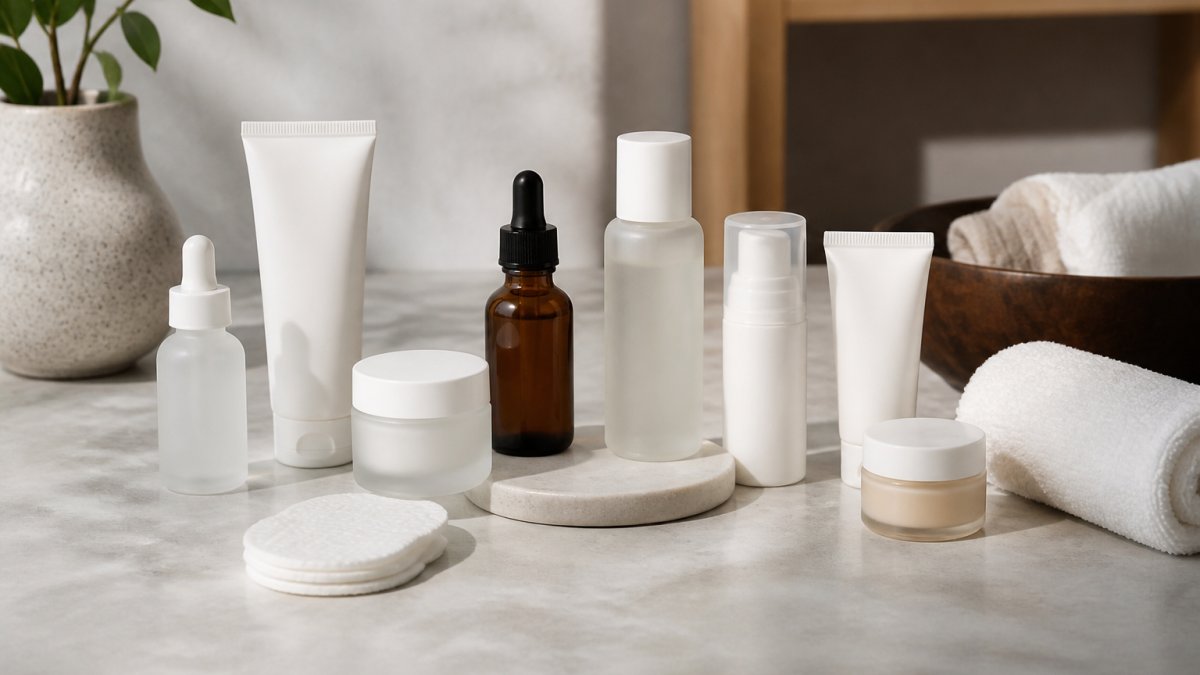
Article: How to Start a Skincare Routine: A 2026 Guide
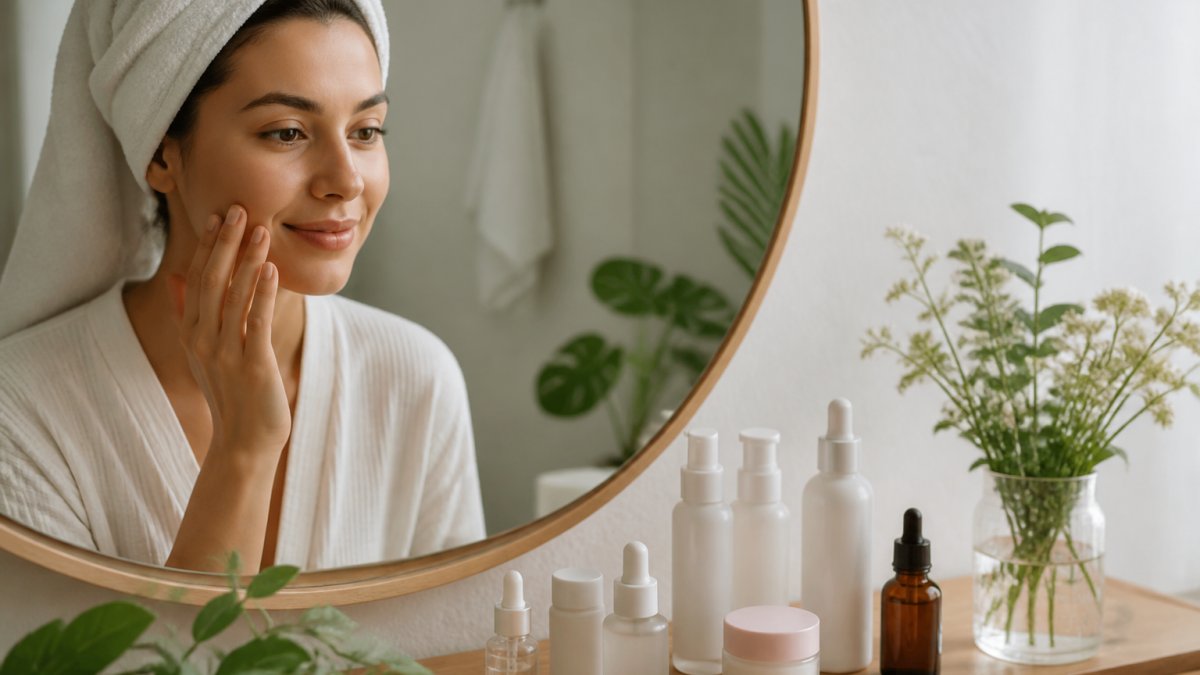
How to Start a Skincare Routine: A 2026 Guide
Table of Contents
- Why Starting a Skincare Routine Matters
- Basic Skincare Routine Steps for Beginners
- Understanding Skincare Routine Order
- Your Morning Skincare Routine
- Your Night Skincare Routine
- Tailoring Your Routine to Your Skin Type
- How to Introduce Products Safely
- Realistic Timelines and What to Expect
- Frequently Asked Questions
Last Updated: October 10, 2026
Why Starting a Skincare Routine Matters
A consistent skincare routine is the foundation of healthy, resilient skin. Most people underestimate how much daily care transforms not just appearance, but how they feel throughout the day.
The challenge isn't complexity. It's consistency. A simple routine you actually follow beats an elaborate one gathering dust on your shelf. When you commit to a basic skincare routine, you're giving your skin the chance to heal, protect itself, and show real improvement over time. That's when the confidence kicks in.
Basic Skincare Routine Steps for Beginners
Every effective skincare routine rests on three non-negotiable foundations: cleansing, moisturizing, and sun protection. These aren't optional steps you upgrade later. They're the core that everything else builds on. Skip any one and you're working against your skin, not with it.
Cleanse: The Foundation of Every Routine
Cleansing removes dirt, oil, and environmental debris that accumulate on your face throughout the day. Without this step, nothing else you apply can penetrate effectively. Use a gentle cleanser appropriate for your skin type, avoid anything that leaves your face feeling tight or stripped.
Wash your face twice daily: once in the morning to remove overnight oil buildup, and once at night to clear the day's accumulation. Use lukewarm water, not hot, which can damage your skin barrier.
Moisturize: Lock in Hydration
After cleansing, your skin is primed to absorb moisture. Moisturizing isn't just for dry skin, every skin type needs hydration to function properly. A good moisturizer seals in water and supports your skin barrier, which is your first line of defense against irritation and environmental damage.
Apply moisturizer to damp skin immediately after cleansing. This locks in the water your skin just absorbed. Use an amount about the size of a pea, warming it between your palms before gently pressing it into your face. Don't rub or tug; let the product absorb naturally.
Protect: Sunscreen During the Day
Sun damage is cumulative and irreversible. UV exposure causes premature aging, dark spots, and increases skin cancer risk (Cancer Risk Factors: Sunlight).
Use a broad-spectrum sunscreen with SPF 30 or higher every morning as the last step of your routine. Apply about a quarter-teaspoon to your face and neck, and reapply every two hours if you're outdoors.

Understanding Skincare Routine Order
The order you apply products matters because different formulations work best at different stages. Your skin barrier has limited absorption capacity, so layering strategically ensures each product can do its job.
The golden rule: apply products from thinnest to thickest consistency. Lightweight serums and essences go first, then heavier creams and oils. This prevents thicker products from blocking thinner ones from penetrating.
Water-based products go before oil-based ones. If you use multiple treatments, wait 30-60 seconds between applications to let each one absorb.
Your Morning Skincare Routine
Your morning routine should energize and protect. Keep it under five minutes so you'll actually do it every day. The goal is to cleanse overnight oil, hydrate, and defend against the day ahead.
Step-by-Step Morning Routine
Step 1: Cleanse (1 minute) Rinse your face with lukewarm water and apply a gentle cleanser. Massage for 20-30 seconds, then rinse thoroughly.
Step 2: Apply Toner or Essence (optional, 30 seconds) If your skin tends toward dryness, a hydrating toner adds an extra layer of moisture.
Step 3: Moisturize (1 minute) Apply moisturizer to damp skin. Use an amount the size of a pea and press gently into your face and neck.
Step 4: Apply Sunscreen (1 minute) This is non-negotiable. Use a quarter-teaspoon of broad-spectrum SPF 30+ and apply evenly across your face, neck, and ears.
Your Night Skincare Routine
Your evening routine is when repair happens. While you sleep, your skin's natural healing processes accelerate. This is the time to address specific concerns with targeted treatments, knowing they have hours to work without sun exposure interrupting their effects.
Step-by-Step Evening Routine
Step 1: Remove Makeup (1 minute) If you wore makeup, use a makeup remover or cleansing oil first.
Step 2: Cleanse (1 minute) Apply your regular cleanser to remove the day's dirt and any remaining makeup residue.
Step 3: Apply Treatments (optional, 2 minutes) This is where you address specific concerns: acne, dark spots, fine lines, or uneven texture.
Step 4: Moisturize (1 minute) Use the same moisturizer as your morning routine, or upgrade to a richer night cream if your skin is dry.
Step 5: Eye Cream (optional, 30 seconds) The skin around your eyes is thinner and more delicate.
Tailoring Your Routine to Your Skin Type
Your skin type determines which products will work best and how often you need certain steps. Mismatched products lead to frustration and poor results. Understanding your skin type transforms your routine from guesswork into strategy.
Oily Skin Considerations
Oily skin produces excess sebum, often leading to shine, enlarged pores, and acne. The mistake most people make is stripping their skin completely, which triggers even more oil production as compensation. Your routine should balance, not punish.
Use a gel or foaming cleanser that removes oil without over-drying. Skip heavy creams and opt for lightweight, water-based moisturizers or gel formulas. Many people with oily skin skip moisturizer entirely, don't. Dehydrated skin produces more oil to compensate. You can use treatments like niacinamide or salicylic acid more frequently, but start with twice weekly and adjust based on your skin's response.
Dry Skin Considerations
Dry skin lacks adequate moisture and often feels tight, flaky, or uncomfortable. The issue isn't always insufficient moisturizer, it's often a compromised skin barrier that can't retain water. Your routine should focus on hydration and barrier repair.
Use a creamy or oil-based cleanser that won't strip natural oils. Avoid foaming cleansers. Apply moisturizer to damp skin and consider a richer night cream. Hydrating serums with ingredients like hyaluronic acid or glycerin help your skin hold onto water. You might benefit from a facial oil as the final step at night.
Combination and Sensitive Skin
Combination skin is oily in the T-zone (forehead, nose, chin) and normal to dry elsewhere. Sensitive skin reacts easily to products, environmental factors, or certain ingredients. Both require a balanced, gentle approach.
Use a gentle, pH-balanced cleanser that won't irritate. Apply moisturizer to your entire face, oily zones need hydration too, just not heavy occlusion. You can use different products in different zones if needed: a lighter moisturizer on your T-zone and a richer one on your cheeks. Introduce new products one at a time, waiting two weeks between additions to identify any reactions.
How to Introduce Products Safely
Adding new products too quickly overwhelms your skin and makes it impossible to identify what's causing a reaction. A methodical approach prevents irritation and wasted money on products that never got a fair trial.
Introduce one new product every two weeks. Add it to the routine where it belongs and use it consistently for 14 days before adding anything else.
Start with the basics first, cleanser, moisturizer, sunscreen, before adding serums, treatments, or specialty products. Your skin needs to stabilize on fundamentals before you layer complexity. When you do add treatments, start with the lowest concentration or frequency recommended.
Realistic Timelines and What to Expect
Real skin improvement takes time. Most people expect visible results in days or weeks, then abandon routines that actually work. Understanding realistic timelines keeps you committed when results feel slow.
Your skin completely renews itself approximately every 28 days. This means you need at least four weeks on a consistent routine before judging results.
Within the first two weeks, your skin should feel more hydrated and your complexion more even. Within four weeks, you'll notice texture improvements and clearer skin tone.
The most common reason routines fail isn't that they don't work, it's that people abandon them before results appear.
| Timeline | Expected Changes | What to Monitor |
|---|---|---|
| Weeks 1-2 | Improved hydration, smoother texture | Skin feel, dryness or oiliness |
| Weeks 3-4 | More even tone, reduced redness | Clarity, pore appearance |
| Weeks 5-8 | Visible acne improvement, texture refinement | Breakout frequency, skin sensitivity |
| Weeks 9-12 | Fading dark spots, refined skin tone | Hyperpigmentation, overall radiance |
| Months 4+ | Sustained improvement, visible anti-aging benefits | Fine lines, skin firmness, long-term results |
Starting a skincare routine feels overwhelming until you realize it's really just three steps: cleanse, moisturize, protect. Choose high-quality essentials from CanvasSkinLab's thoughtfully curated collection, products designed to work together. The American Academy of Dermatology provides evidence-based skincare guidance to help you understand your skin's specific needs.
Frequently Asked Questions
How can I create my own skincare routine that actually works?
Start with the three essentials: a gentle cleanser, moisturizer, and sunscreen. Identify your skin type (oily, dry, combination, or sensitive), then choose products formulated for your specific needs. Apply cleanser morning and night, follow with moisturizer on damp skin, and add sunscreen during the day. Once this basic routine feels natural, you can introduce additional products like serums or treatments one at a time, waiting 2-4 weeks between additions to monitor how your skin responds.
What order should I apply skincare products in?
Follow this skincare routine order: cleanser first, then any toners or essences, serums or treatments next, moisturizer, and sunscreen last (morning only). This sequence matters because lighter, water-based products absorb better on clean skin, while heavier creams seal everything in. Sunscreen must be the final step in your morning skincare routine to create a protective barrier. Consistency with product application order helps maximize effectiveness and prevents product interactions.
Should I have a different skincare routine for morning and night?
Yes. Your morning skincare routine should be quick and include sunscreen as the final step for UV protection. Your night skincare routine can be more involved, allowing time for richer moisturizers and treatment products to work while you sleep. Morning focuses on protection and refreshing your skin barrier; evening emphasizes repair and deeper hydration. Both routines start with cleansing and moisturizing, but nighttime allows for additional steps like exfoliation or active ingredients that might be too strong for daytime use.
How long does it take to see results from a new skincare routine?
Most people notice improvements in skin texture and hydration within 2-4 weeks of consistent use. However, addressing specific concerns like acne, hyperpigmentation, or fine lines typically takes 6-12 weeks or longer. Skin cell turnover takes about 28 days, so patience is essential. If you're introducing active ingredients or new products, give each one at least 4-6 weeks before deciding if it works. Consistency matters more than speed, using products as directed every day yields better results than sporadic use.
How should I introduce active ingredients into my routine?
Add one new product at a time, waiting 2-4 weeks between introductions. Start with the lowest concentration and use it 2-3 times per week initially, gradually increasing frequency as your skin builds tolerance. Introduce gentler actives (like niacinamide) before stronger ones (like retinol or acids). Always patch-test new products on a small area first. If you experience redness, irritation, or dryness, reduce frequency or pause use. Never layer multiple active ingredients when first starting, master one before combining treatments.
What are the 5 basics of skin care I should never skip?
The five essentials of a basic skincare routine are: cleansing (removes dirt and oil), moisturizing (maintains skin barrier), sunscreen (prevents damage), consistency (using products regularly), and patience (allowing time for results). Cleanse twice daily with a gentle cleanser appropriate for your skin type. Apply moisturizer to damp skin immediately after cleansing. Use sunscreen every morning, even on cloudy days. Stick with products for at least 4 weeks before changing them. These fundamentals form the foundation of any effective routine.
Which skincare products should beginners use first?
Start with a gentle cleanser, a lightweight moisturizer suited to your skin type, and a daily sunscreen. These three products form the minimal starter routine that addresses cleansing, hydration, and protection. Choose products labeled for sensitive or beginner skin if you're unsure. Avoid multiple active ingredients initially, focus on building a consistent basic skincare routine first. Once you're comfortable with these essentials, you can explore serums, treatments, or exfoliants. Quality matters more than quantity when beginning.